

General, Health
My Endometriosis Story: Why Early Conversations Matter
A personal reflection on living with endometriosis, highlighting how early diagnosis, supportive healthcare, and open conversations can significantly…
Read more
Teamwork is at the heart of everything we do at Waves Leuven. By nurturing our team’s well-being and fostering open communication, we create an inclusive and innovative workplace where every voice contributes to better health outcomes. Our team thrives on opportunities to collaborate and strengthen connections in fun and creative ways. In this blog our colleague Justine Prata, clinical gym specialist and team events coordinator, shares insights into the value of organised team-building events.
Waves is a multidisciplinary healthcare practice integrating physiotherapy, osteopathy, clinical gym services, psychomotor therapy, dietetics, sports psychology, and clinical Pilates. It prioritises team building to enhance communication, cohesion, and productivity. Biannual events, such as natural movement sessions, dance classes, jujitsu, and workshops, foster a collaborative culture essential for delivering high-quality, patient-centred care.
Research indicates that structured team-building activities improve team cohesion, productivity, and decision-making, which are vital in multidisciplinary healthcare settings [1].

Team-building activities enhance problem-solving and creativity, particularly through experiential learning. Baharom et al. found that engaging in unfamiliar challenges, such as jujitsu and movement-variety exercises, fosters trust and collaboration among team members [1]. These activities encourage adaptability and creative thinking, enabling the integration of diverse expertise from physiotherapists, dietitians, and clinical gym specialists at Waves. This environment empowers staff to share ideas openly and collaborate effectively on holistic treatment plans.
Stronger teams deliver better care – our team events strengthen connections and build deeper bonds among all team members.”
Emotional intelligence, a critical component of effective teamwork, also benefits from team-building initiatives. Golonka and Mojsa-Kaja emphasize that emotionally intelligent teams demonstrate greater resilience and cohesion [3]. Activities like dance classes encourage mutual empathy and open communication, bridging differences in communication styles among professionals from varied disciplines, such as osteopaths and sports psychologists. This ensures smoother interactions and a unified approach to patient care.
High-performance practices like role flexibility and communication training further enhance team satisfaction and performance [4]. By equipping team members with a deeper understanding of one another’s roles, Waves ensures dynamic collaboration tailored to patients’ needs. For example, dietitians and Pilates instructors seamlessly coordinate their expertise, improving both morale and patient outcomes.
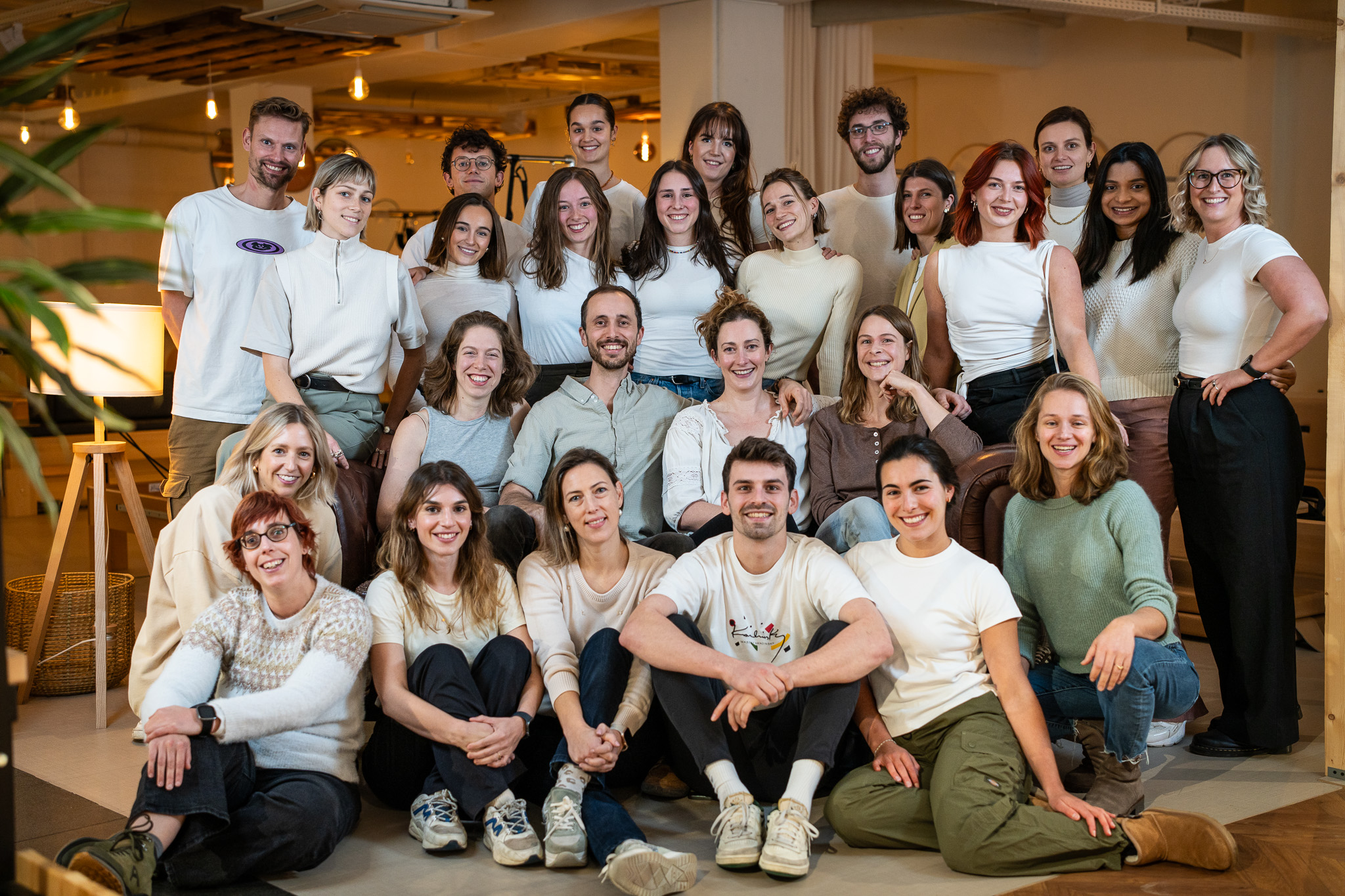
Lastly, diversity-oriented team building creates an inclusive, supportive environment by reducing communication barriers and enhancing cohesion [2]. For Waves, where diverse therapeutic expertise converges, inclusive activities foster open-mindedness and enrich collaboration, ensuring patients receive comprehensive care.
Through biannual team-building events, Waves cultivates a workplace culture that enhances productivity, emotional intelligence, and inclusivity. These efforts ensure that the multidisciplinary team delivers compassionate, coordinated care aligned with Waves’ mission to enhance health and well-being.
Author: Justine Prata
Personal Trainer at Waves
Disclaimer: this site cannot and doesn’t contain medical/ health advice. The medical/ health information is provided for general informational and educational purposes only and is not a substitute for professional advice. Accordingly, before taking any actions based upon such information, we encourage you to consult with the appropriate professionals.
Baharom, G. K., Stoverink, T. G., & Kalogiannidis, O. S. (2022). Effect of team building on employee productivity: A case study of Eastpharma Company in Turkey. Journal of Human Resource & Leadership, 6(4), 11–20. https://doi.org/10.53819/81018102t50109
Fapohunda, T. M. (2022). Towards effective team building in the workplace. International Journal of Scientific & Academic Research, 7(9).
Golonka, K., & Mojsa-Kaja, J. (2013). Emotional intelligence and team roles: Analysis of interdependencies with regard to teamwork effectiveness. Contemporary Management Quarterly, 12(4), 32–44. http://www.ejournals.eu/sj/index.php/IJCM/article/view/4353
International Institute of Academic Research and Development (IIARD). (2023). Team building in organizations. International Journal of Social Sciences & Management Research, 9(3), 40–50.
SHARE

